


If you’re experiencing issues with your vehicle’s transmission, one possible culprit could be the output speed sensor circuit.
This circuit is responsible for monitoring the speed of the output shaft and relaying that information to the vehicle’s computer.
If the circuit malfunctions, it can cause a variety of problems with the transmission’s performance.
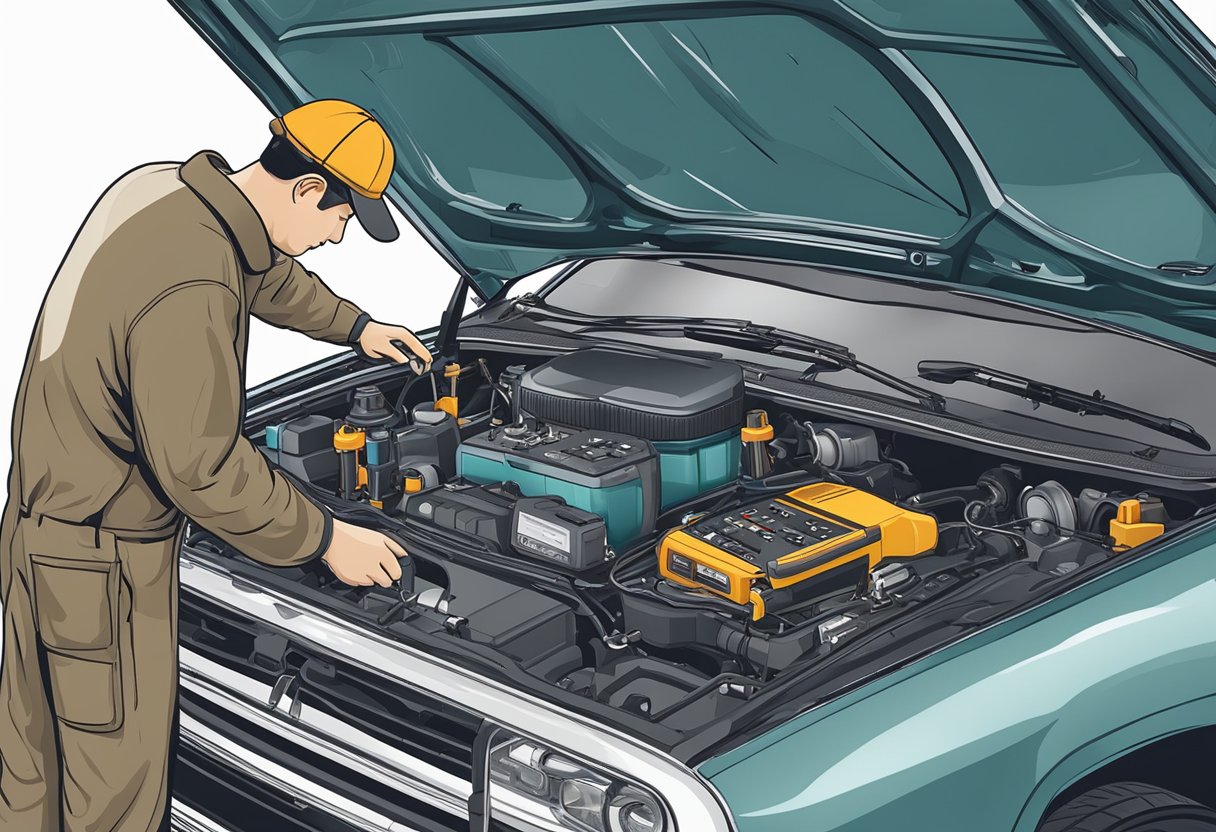
Symptoms of a malfunctioning output speed sensor circuit can include harsh shifting, delayed shifting, or even the transmission not shifting at all.
In some cases, the vehicle’s computer may even go into a “limp mode” to prevent further damage.
Fortunately, diagnosing and repairing this issue is typically straightforward and can be done with basic tools and some technical knowledge.
In this article, we’ll discuss the steps you can take to solve P0720: Output Speed Sensor Circuit Malfunction and get your vehicle back on the road.
Understanding the P0720 Code
If you are experiencing issues with your vehicle’s transmission, it’s possible that the P0720 code has been triggered.
This code indicates that there is a malfunction in the output speed sensor circuit, which is responsible for measuring the speed of the output shaft of the transmission.
The output speed sensor is a critical component of the transmission system, as it provides important data to the engine control module (ECM) and transmission control module (TCM).
This data is used to determine the appropriate gear ratios for optimal performance and fuel efficiency.
When the P0720 code is triggered, it means that the output speed sensor is not providing accurate or consistent data to the ECM and TCM.
This can result in a variety of transmission issues, including rough shifting, hesitation, and even complete transmission failure.
To diagnose and repair the P0720 code, it’s important to have a thorough understanding of the transmission system and the output speed sensor circuit.
This may involve testing the sensor itself, as well as checking the wiring and connections to ensure that they are functioning properly.
If you are not familiar with the transmission system or the diagnostic process, it’s recommended that you seek the assistance of a qualified mechanic.
They will be able to diagnose the issue and make any necessary repairs to get your vehicle back on the road.
Diagnostic Procedure
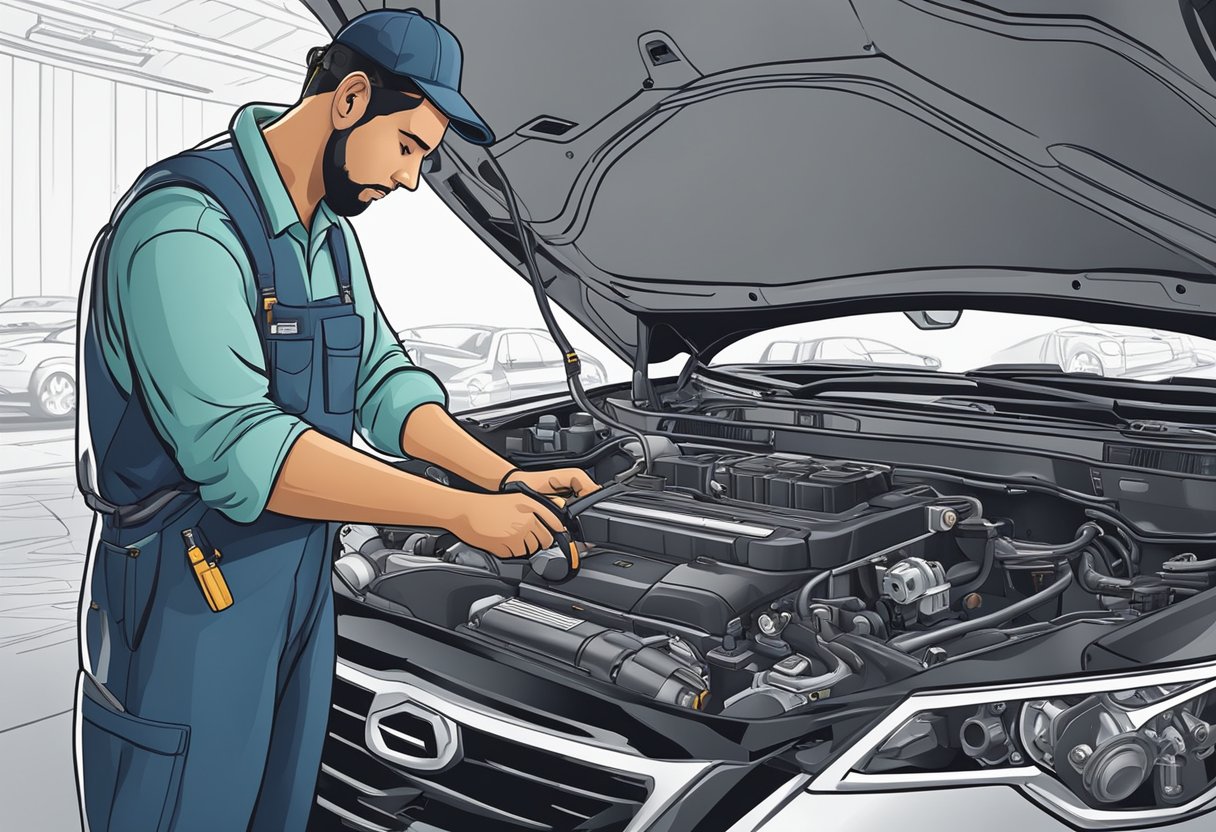
When you encounter a P0720 code, it is important to follow a diagnostic procedure to determine the root cause of the issue.
Here are the steps you should take:
Preliminary Checks
Before you start the diagnostic procedure, it is important to perform some preliminary checks to ensure that the issue is not caused by something simple.
Start by checking the transmission fluid level and condition. Low fluid level or dirty fluid could cause the sensor to malfunction.
Also, check the wiring and connectors for any signs of damage or corrosion.
Sensor Inspection
If the preliminary checks do not reveal any issues, you should move on to inspecting the output speed sensor itself.
Remove the sensor from the transmission and inspect it for any signs of damage or wear.
If the sensor is damaged or worn, it will need to be replaced.
Circuit Testing
If the sensor appears to be in good condition, you should move on to testing the circuit.
Use a multimeter to test the resistance of the sensor and compare it to the manufacturer’s specifications.
If the resistance is outside of the acceptable range, the sensor may be faulty and will need to be replaced.
Also, test the continuity of the wiring between the sensor and the PCM.
On-Board Diagnostic Test
Finally, you should perform an on-board diagnostic test using a scan tool.
This will allow you to read the codes and data from the PCM and determine if there are any other issues that may be causing the P0720 code.
You can also use the scan tool to clear the code and see if it returns.
If the code returns, you may need to perform further diagnostic tests to determine the root cause of the issue.
By following this diagnostic procedure, you can effectively diagnose and solve a P0720 code.
Remember to always use caution when working with electrical components and follow proper safety procedures.
Are the Solutions for P0720 Output Speed Sensor Circuit Malfunction Applicable to Fixing P0430 Catalyst System Efficiency Below Threshold (Bank 2) Error on a Motorcycle?
When experiencing the motorcycle error code P0430, it’s crucial to address the catalyst system’s efficiency issue, specifically in Bank 2. While solutions for P0720 output speed sensor circuit malfunction may not directly apply, it’s important to check for any potential underlying issues that could be contributing to the error code.
Repair and Replacement
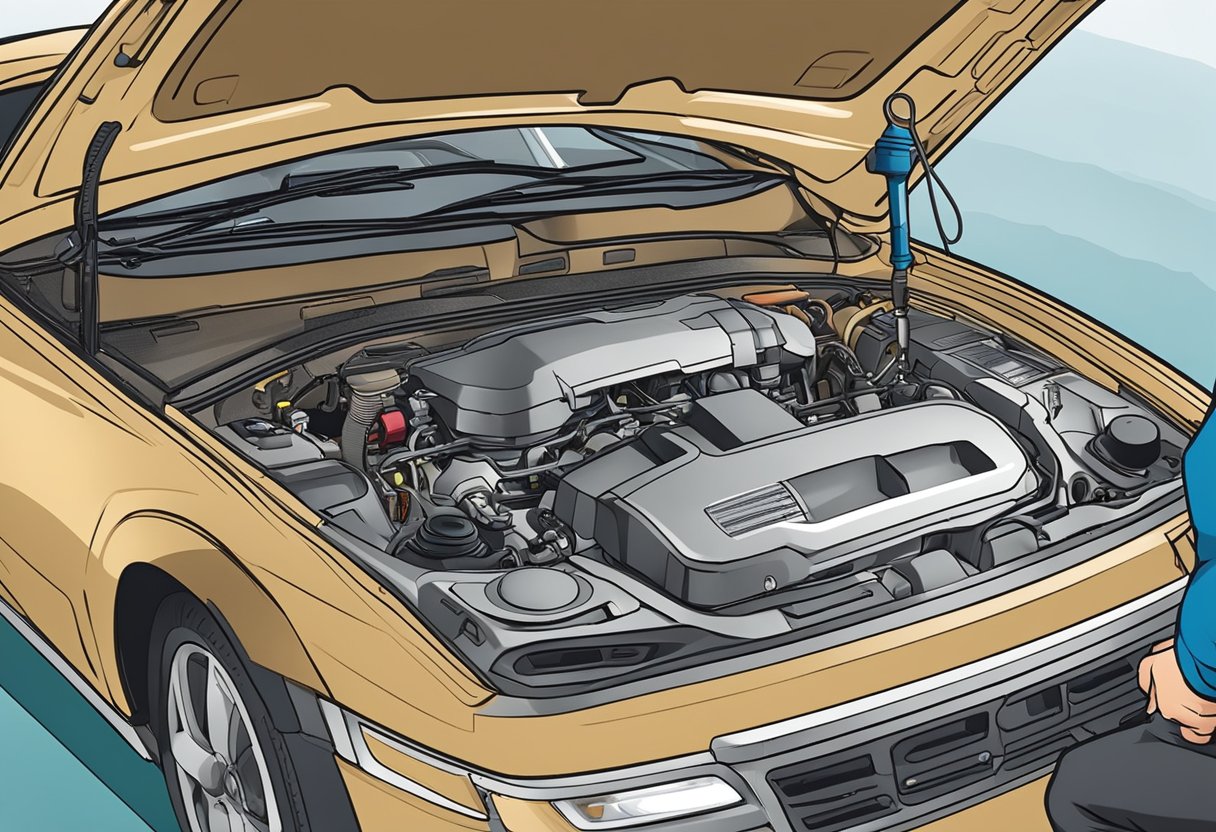
If you have determined that the output speed sensor circuit is malfunctioning, you will need to take steps to repair or replace the faulty components.
Here are some of the steps you can take to solve the P0720 error code:
Sensor Replacement
The first step in repairing the output speed sensor circuit is to replace the sensor itself.
This is a relatively simple process that involves disconnecting the old sensor and installing a new one.
Here are the steps you should follow:
- Locate the output speed sensor. This sensor is usually located on the transmission housing.
- Disconnect the electrical connector from the sensor.
- Remove the sensor from the transmission housing.
- Install the new sensor and connect the electrical connector.
Wiring Repair
If replacing the sensor does not solve the problem, the next step is to check the wiring for damage or other issues.
Here are the steps you should follow:
- Inspect the wiring for signs of damage, such as frayed wires or loose connections.
- Use a multimeter to check the resistance of the wiring. If the resistance is too high, there may be a problem with the wiring.
- Repair or replace any damaged wiring.
Transmission Control Module (TCM) Assessment
If neither the sensor replacement nor the wiring repair solves the problem, the issue may be with the transmission control module (TCM).
Here are the steps you should follow:
- Use a scan tool to check for any error codes related to the TCM.
- Check the TCM for signs of damage or other issues.
- If necessary, replace the TCM.
By following these steps, you should be able to solve the P0720 error code and restore your vehicle to proper working condition.
How Can Input Turbine Speed Sensor Circuit Malfunction Affect Output Speed Sensor Circuit Malfunction?
The input turbine speed sensor malfunction can directly affect the output speed sensor circuit malfunction. If the input sensor is not functioning properly, it can lead to incorrect data being sent to the output sensor, causing it to also malfunction. This can result in inaccurate speed readings and potential transmission issues.
Post-Repair Testing

After completing the repair, it is important to perform post-repair testing to ensure that the P0720 code has been fully resolved and that the vehicle is functioning properly.
To begin with, you can use a scan tool to clear any stored codes and perform a road test to verify that the code does not return.
During the road test, you should pay attention to the vehicle’s acceleration, shifting, and overall performance.
Additionally, you can use a multimeter to test the output speed sensor circuit for proper voltage and resistance.
The specific values will vary depending on the make and model of the vehicle, so be sure to consult the manufacturer’s specifications.
Another important step is to visually inspect the wiring and connectors for any damage or corrosion.
If any issues are found, they should be repaired or replaced as necessary.
Finally, it is recommended to perform a final scan to ensure that no other codes are present and that all systems are functioning properly.
By following these post-repair testing procedures, you can ensure that the P0720 code has been fully resolved and that the vehicle is safe and reliable for the road.
Maintenance Tips to Prevent Future P0720 Codes
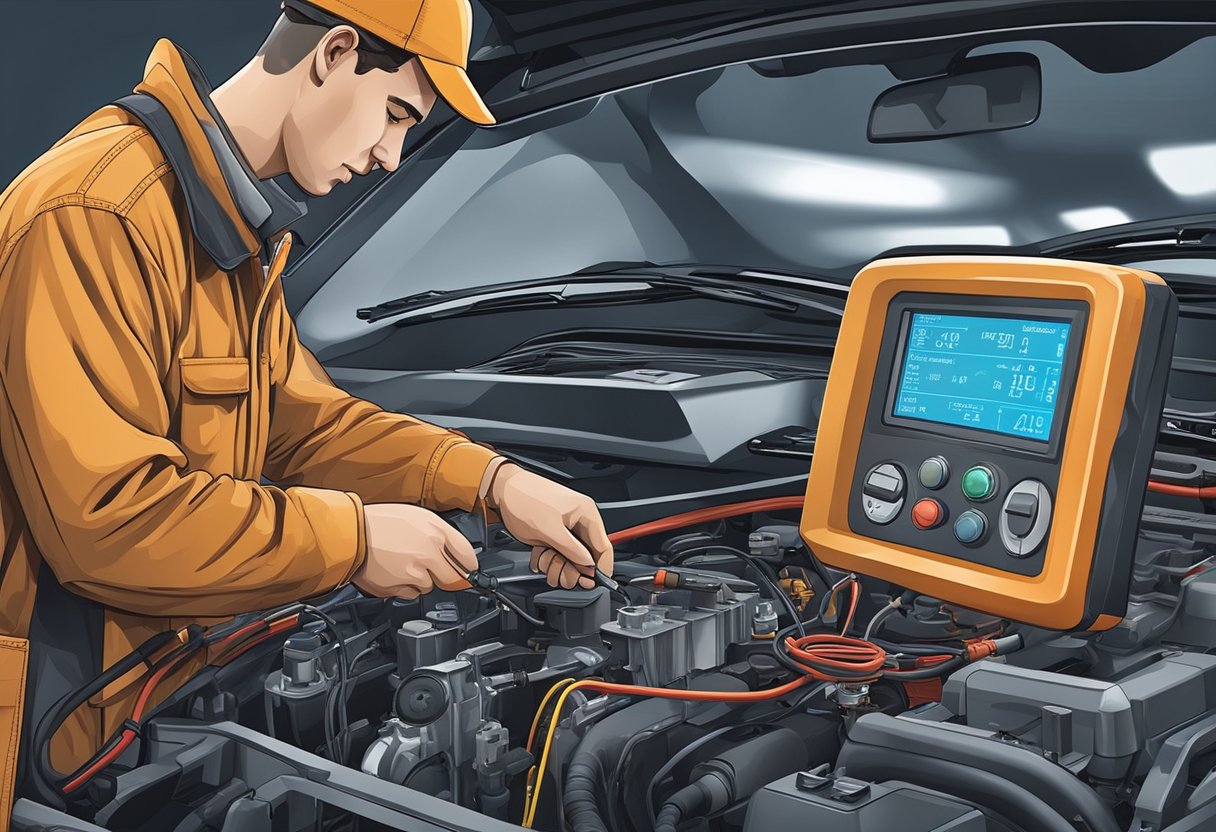
To prevent future P0720 codes, it’s important to maintain your vehicle properly.
Regular maintenance can help prevent issues with the output speed sensor circuit and other components.
Here are some tips to keep your vehicle in good condition:
-
Check the transmission fluid regularly: Low transmission fluid levels can cause issues with the output speed sensor circuit.
Check your transmission fluid regularly and top it off as needed.
Refer to your vehicle’s owner’s manual for instructions on how to check the transmission fluid level.
-
Replace the transmission fluid and filter: Over time, transmission fluid can become dirty and contaminated, which can cause issues with the output speed sensor circuit.
Replace the transmission fluid and filter according to the recommended schedule in your vehicle’s owner’s manual.
-
Inspect the wiring and connectors: Check the wiring and connectors for signs of damage or corrosion.
If you notice any issues, have them repaired by a qualified mechanic.
-
Avoid harsh driving conditions: Harsh driving conditions, such as towing heavy loads or driving in extreme temperatures, can put extra strain on your vehicle’s components, including the output speed sensor circuit.
Try to avoid these conditions as much as possible.
-
Address other issues promptly: If you notice any other issues with your vehicle, such as strange noises or warning lights, have them addressed promptly.
Ignoring these issues can lead to more serious problems down the road.
By following these maintenance tips, you can help prevent future issues with the output speed sensor circuit and keep your vehicle running smoothly.
What If P0500 Is Stored Alongside P0720?
On some vehicles the transmission output speed sensor is also the source of the vehicle speed signal, so one failed sensor or connector sets both codes. On many others, road speed comes from the ABS wheel speed sensors instead, and P0500 alongside P0720 points to a shared wiring, power or network fault rather than two failed sensors. The P0500 guide explains how to find where your car’s speed signal comes from before replacing anything.
Should You Change the Transmission Fluid for P0720?
Not to fix the code. P0720 is an electrical fault in the output speed sensor or its circuit, and fresh fluid will not repair a sensor or wiring. Checking the fluid is still part of the diagnosis, though: many speed sensors are magnetic, and metal debris on the tip can corrupt the signal. If the fluid is dark or burnt, our guide to the best automatic transmission fluids covers how to choose the right one.
What If P0715 Is Stored With P0720?
P0715 is the matching fault on the input side: the input or turbine speed sensor circuit. When both codes appear together, look first at what the two sensors share, such as the transmission case connector, an internal harness or a common power and ground supply, before replacing both sensors. Some transmissions use a combined input and output sensor, which is another reason they can fail together. This guide to the P0715 code walks through the tests and where the input sensor is usually located.
As an Amazon Associate we earn from qualifying purchases.
