


For your engine to run smoothly, there needs to be a precise amount of fuel feeding the engine cylinders. Fuel consumption is affected by the load on the...
Troubleshoot

An engine that runs rich at idle can be caused by a bad coolant temperature sensor, a faulty throttle position sensor, a bad mass air flow sensor, a leaking...

If your car engine runs ok when you start it, but your car won’t accelerate then you’ve got an obvious engine problem that needs looking into. Car...

When an engine is running, engine oil is pumped around the engine to keep it lubricated and to help prevent it from overheating. If the engine oil pressure...

The most common reason for a car stalling with a check engine light on, is a problem with the fuel or air supply to the engine. A rich or lean fuel mixture...

A Check Engine Light with white smoke from the exhaust can indicate several issues, such as a blown head gasket, cracked engine block, faulty cylinder head...

As a general rule, if your car is sluggish to start when it is hot, it is usually caused by a problem with one of the following; the starter motor, the...

Modern spark plugs can last for up to 100,000 miles before they need replacing. Sometimes they are overlooked when it comes to routine servicing and this can...

The symptoms of leaky exhaust valves include an engine that is difficult to start, a rough engine when idling, a lack of engine power, knocking noise from the...

The check engine light on your car’s dashboard will usually light up when there is a problem with the engine. It’s normal for it to flash on engine start-up...

Even if you are a very careful driver, over time, clutch parts wear out. If the clutch in your car is slipping when the engine is at high RPMs, then this could...

A slipping clutch is one of those car problems you can’t ignore—it’s your vehicle screaming that something is seriously wrong with your...

One of the most common reasons for a car to break down or over heat is because of a coolant leak. Coolant is more likely to leak from a car when the engine is...
The most important moving parts in the brake system are the brake calipers. In order to work effectively, they must be able to squeeze the brake pads hard...

As a general rule, yes, a coolant leak can sometimes cause low oil pressure. This usually occurs if coolant and engine oil mix within the engine as a result of...
If the service engine soon light is on, this means that your vehicle is due a routine service such as an oil change or a filter change. It can sometimes mean...

Modern engines need a constant, high pressure supply of fuel to perform properly when under load. Sometimes it will be necessary to check the fuel pressure...
One of the easiest service jobs you can carry out on your car is an oil change. But sometimes the oil filter can get so stuck it can seem impossible to remove...
Sometimes the source of a coolant leak from your vehicle can be difficult to find. It can be even more difficult when the coolant leak only...

One of the main reasons why a clutch will fail is because of burning. A burnt clutch is usually caused by not engaging and disengaging the clutch fully when...
If you’re experiencing engine problems with your car, then it’s always worth checking the condition of the air filter. All of the air that is...

The check engine light on your car’s dashboard is there to tell you when there is a problem with the engine. It’s normal for it to flash on and off...

Bad fuel injectors can turn your smooth-running engine into a nightmare of poor performance, wasted fuel, and expensive repairs if left unchecked. Unlike some...

A clogged catalytic converter is bad news for your engine and for your pocket. If your car is showing the symptoms of a blocked catalytic converter, then it...
The most common reasons for a car stalling, are bad fuel, problems with the fuel delivery system or problems with the electrical system. All engines need...

A bad catalytic converter can wreak havoc with how well your engine runs. Catalytic converters can become blocked when the internal ceramic filter becomes...

One of the most common symptoms when it comes to engine problems is a lack of accelerating power. If your car shakes and doesn’t accelerate as it should...

Your mass air flow (MAF) sensor might be small, but when it goes bad, it can make your car feel like it’s lost its mind. From rough idling to terrible...

If your car won’t start after an oil change, it is likely due to a few reasons. One common reason is that the oil filter was not installed correctly...
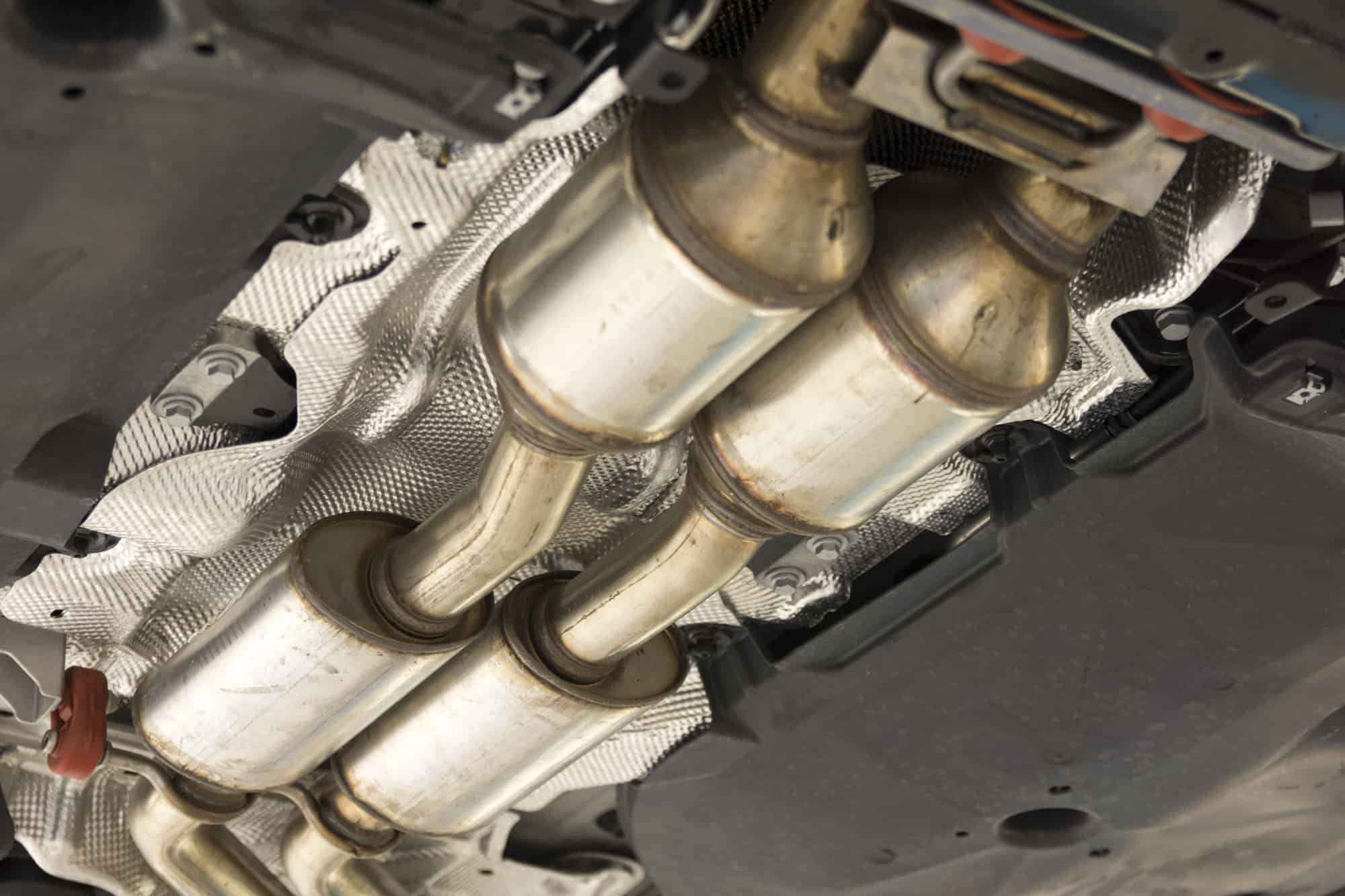
A clogged catalytic converter means that the honeycomb material inside of the catalytic converter body has become blocked. This will restrict the flow of...

If you’ve got a check engine light on the dashboard, and your car is not accelerating, then your car may have a fault that needs fixing. The check engine...

Changing the timing belt can be a complicated process on some engines. It can often involve removing lots of plastic covers and some engine components to get...

In general, if there is an oil leak that is coming from the top of the engine, then it is more than likely caused by a leaking valve cover gasket. Whereas a...

Worn valve seals and bad piston rings can both cause your engine to burn oil. It’s a common enough problem with older engines and one that should be...

The starter motor is responsible for starting the engine by applying a turning force to the engine flywheel. When the starter is running, the starter gear is...

If your car is shaking when driving or when sitting at the traffic lights idling, and the check engine light is on too, then there is no denying that there is...
The alternator is your car’s primary source of electricity when running. It generates power to recharge the battery, and powers most of the auxiliary...

The catalytic converter that is fitted to your car is there to filter out harmful substances from the exhaust gases. Sometimes it can fail or become blocked...

The clutch fork is responsible for moving the throw-out bearing when you push down on the clutch pedal. A bad clutch fork will cause problems with the...
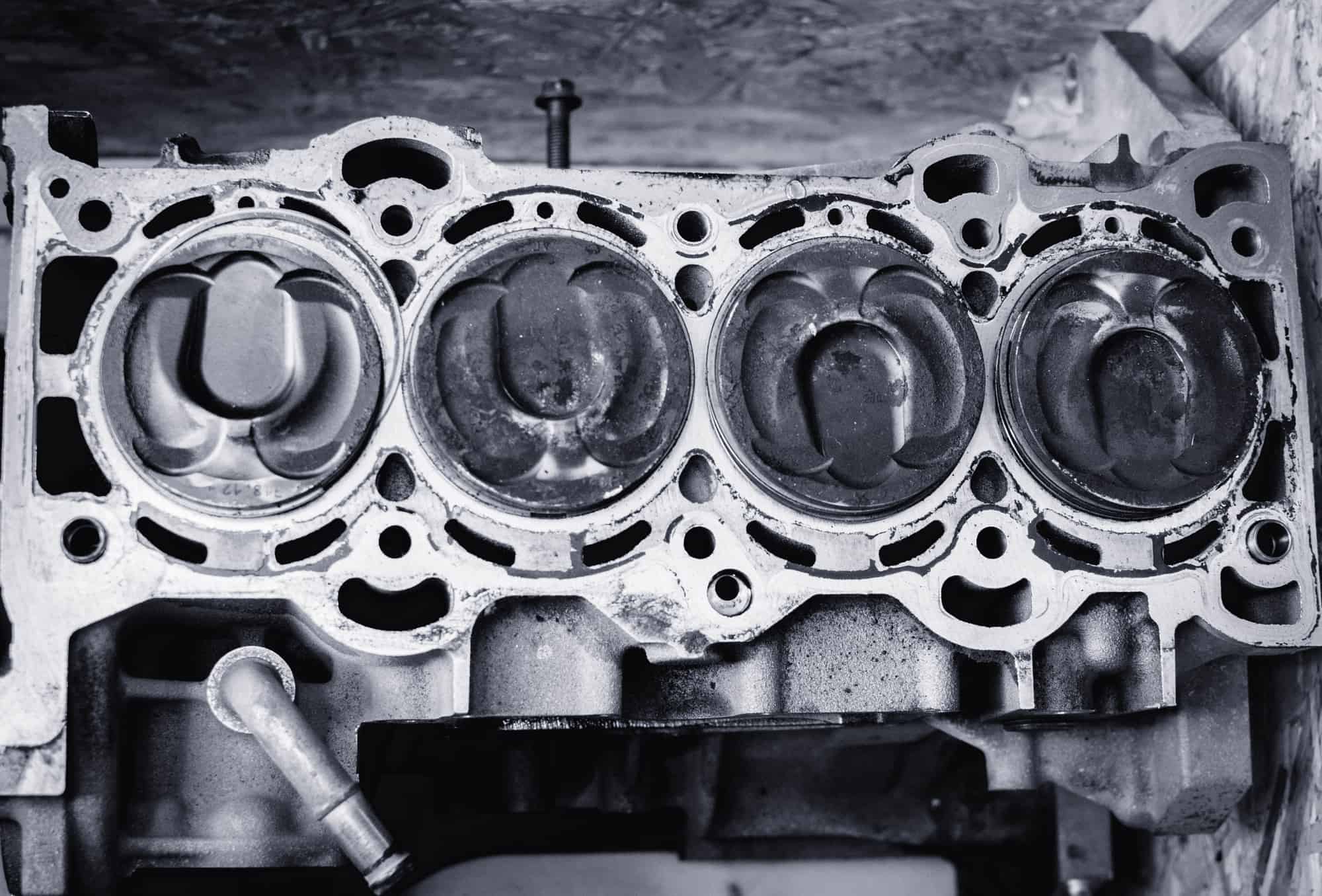
The pistons in your engine work under extreme conditions, both in terms of heat and high pressures. Over time, and as a result of these extreme conditions...

There are many reasons why a car can run hot, but not actually overheat. It’s a very common problem and is usually a sign that something is not right...

The clutch on manual transmission cars is protected by a bell housing that seals the clutch plate and flywheel inside. Sometimes, it’s still possible for...

The symptoms of bent valves include an engine that won’t start, an erratic engine when idling, lack of engine power, a knocking noise from the engine and...

You may have noticed the ABS light flashing on and off when driving in bad weather conditions or on a rough surface. This is normal and is just your car...
Overview The effects of bad spark plugs can be varied, and can be the same as those caused by the failure of other engine components. It’s important that...

You turn the key and hear it—a single loud click from under the hood. The engine doesn’t crank, the starter doesn’t spin, just that one metallic...

A flashing check engine light can indicate a problem with an engine sensor, a vacuum leak, a problem with fuel delivery, fuel ignition or a major mechanical...
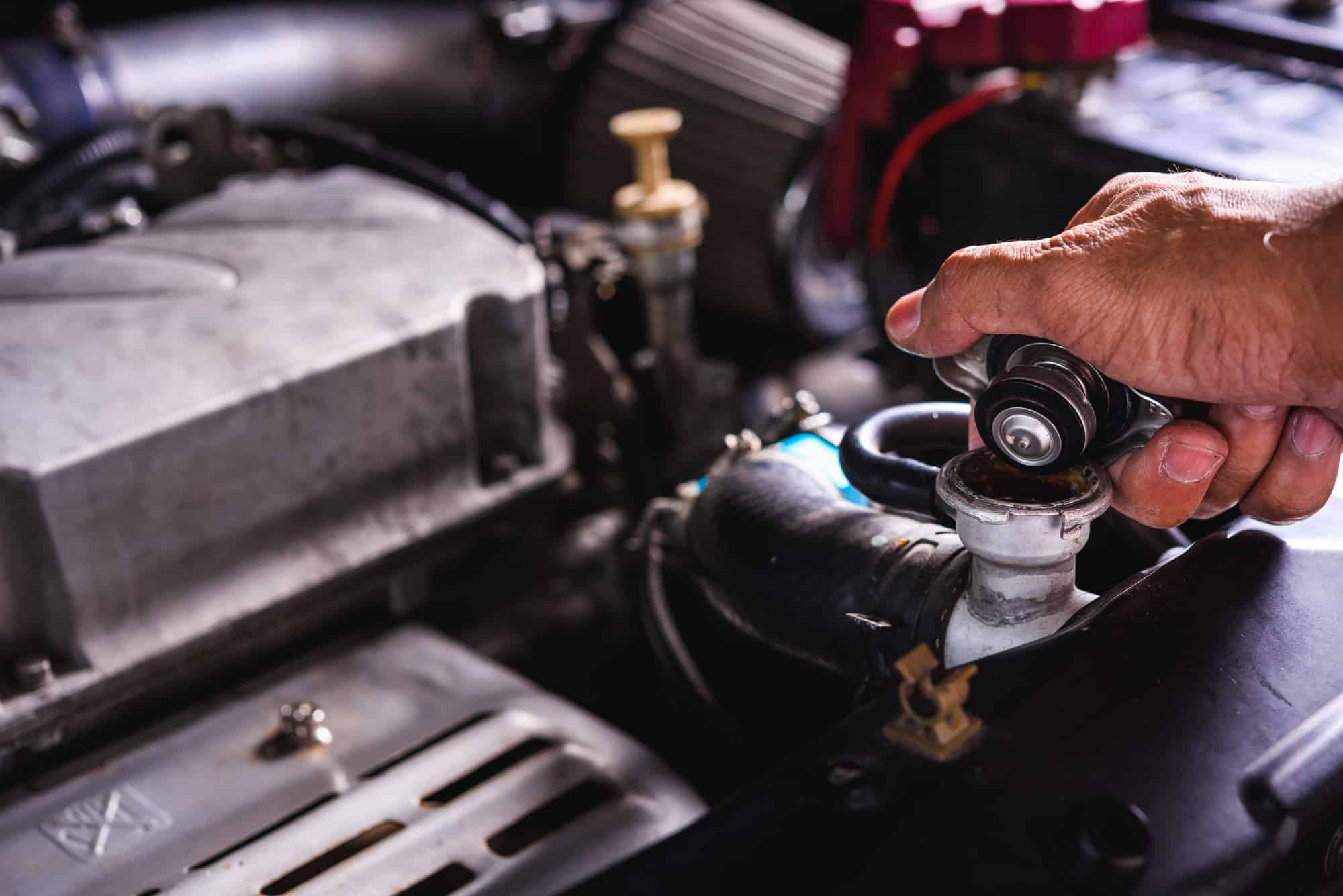
The radiator pressure cap on your vehicle plays an important part in keeping your engine at the right temperature by managing coolant system pressure. If the...
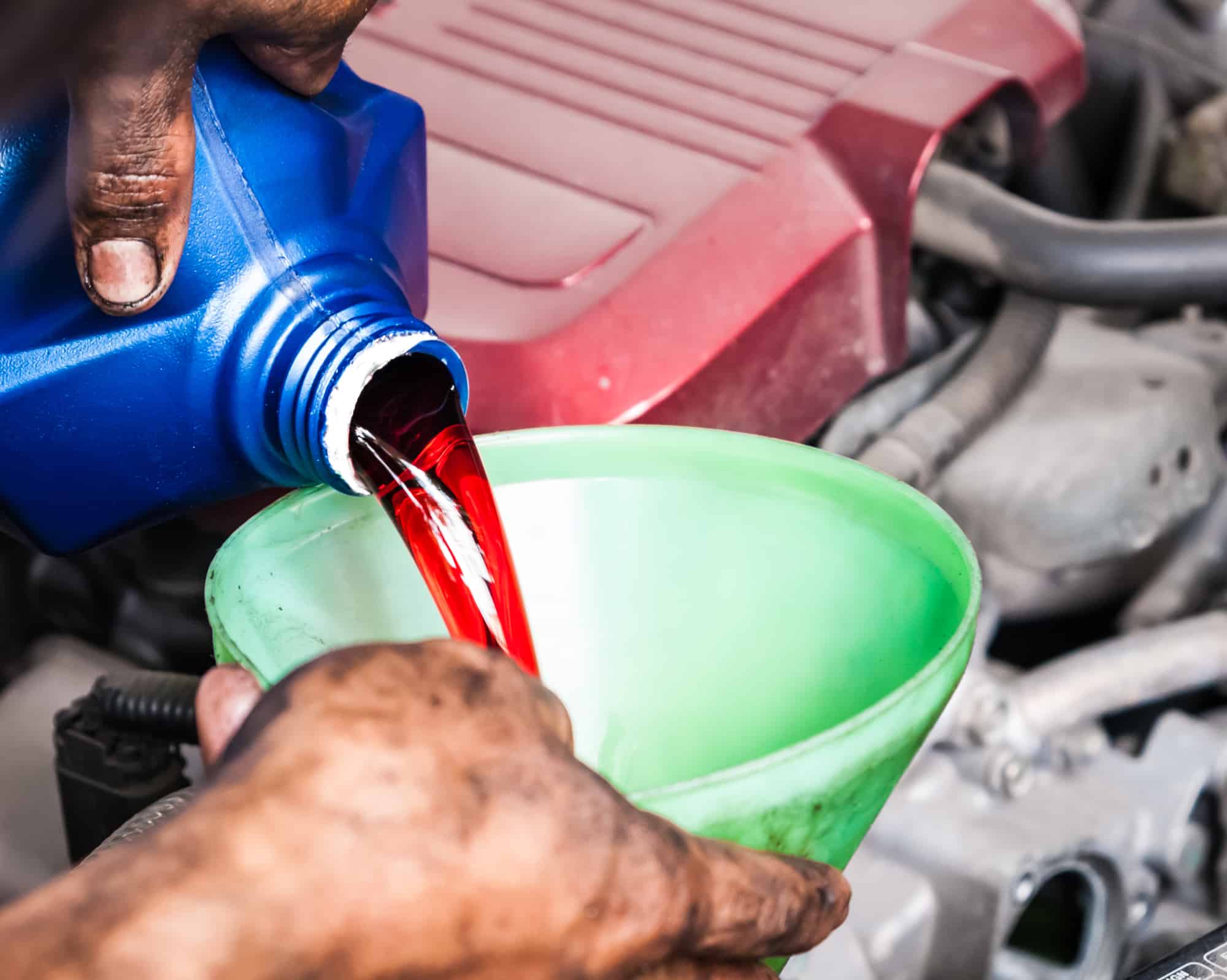
Transmission fluid is made from a base oil that is mixed with various additives. It is designed to work under extreme conditions and to retain its protective...

As a general rule, the symptoms of a bad gas cap include a smell of fuel from the vehicle, trouble removing or tightening the gas cap, a check engine light on...