


Your head gasket might be a thin piece of metal, but it plays one of the most critical roles in keeping your engine running properly. When it starts to fail, your car will let you know—often in ways that are impossible to ignore and expensive to fix. Let’s break down the warning signs so you can catch problems early and avoid catastrophic engine damage down the road.
What Does a Head Gasket Actually Do?
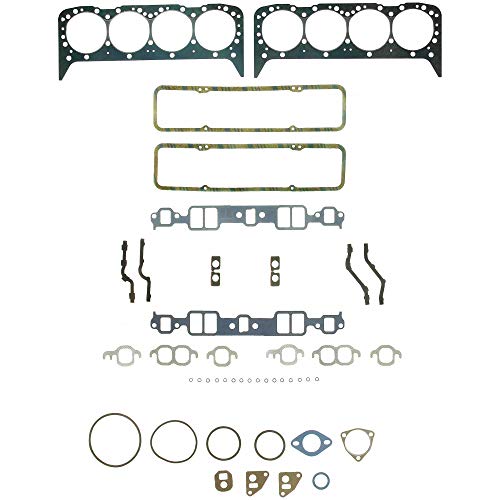
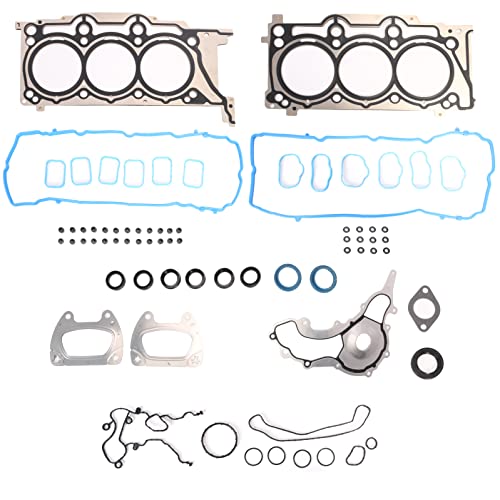
Before we dive into the symptoms, here’s a quick refresher. Your head gasket sits between your engine block and cylinder head, creating a critical seal that keeps several vital systems separate. It prevents coolant and oil from mixing, seals combustion chambers to maintain proper compression, and keeps combustion gases from escaping into the cooling system.
Think of it like the gasket on a pressure cooker—it has to withstand extreme heat, pressure, and constant expansion and contraction cycles. When it fails, the consequences can be catastrophic for your engine.
8 Warning Signs of a Bad Head Gasket
If your head gasket is failing, you’ll likely notice one or more of these symptoms:
- Engine overheating – Temperature gauge climbing into the red zone repeatedly
- White smoke from exhaust – Sweet-smelling steam indicating coolant burning
- Milky or contaminated oil – Oil that looks like chocolate milk or has foam
- Coolant loss without visible leaks – Mysteriously disappearing coolant
- Bubbles in radiator or coolant tank – Air pockets indicating combustion gases
- Loss of power and misfiring – Engine running rough or lacking power
- External coolant leaks – Visible leaks around the head gasket area
- Sweet smell from exhaust or engine bay – Burning coolant odor
Now let’s explore each symptom in detail so you know exactly what to look for.
Can a Bad Head Gasket Cause Engine Overheating?
One of the first and most dangerous signs you’ll notice with a failing head gasket is chronic engine overheating. Your temperature gauge will repeatedly climb into the red zone, especially during demanding driving conditions like stop-and-go traffic or hot weather.
What’s happening: When the head gasket fails between the combustion chamber and cooling system, combustion gases escape into the coolant passages. This creates air pockets that disrupt coolant circulation and reduce the cooling system’s efficiency. Additionally, if coolant leaks into the cylinders, you’re losing the fluid needed to keep your engine cool.
When you’ll notice it most: Usually during times when your engine needs maximum cooling—sitting in traffic, climbing hills, or on hot days. The overheating often happens suddenly and can be severe.
Warning sign: If your car overheats and then seems fine after cooling down, only to overheat again later, that’s a strong indicator of head gasket problems rather than a simple cooling system issue.



Will a Bad Head Gasket Cause White Smoke from the Exhaust?
Does your exhaust pipe look like a steam locomotive? White smoke billowing from your tailpipe is one of the most obvious signs of head gasket failure, especially if it has a sweet smell.
Why this happens: When the head gasket fails between a coolant passage and combustion chamber, coolant gets sucked into the cylinder during the intake stroke. During combustion, this coolant turns to steam and exits through the exhaust as white smoke.
Key difference: This isn’t the light white vapor you see on cold mornings—that’s normal condensation. Head gasket white smoke is thick, continuous, and often has a sweet antifreeze smell.
Important note: If you see white smoke, stop driving immediately. Continuing to operate the engine can cause severe damage to pistons, valves, and other internal components.
Can a Failing Head Gasket Contaminate Your Oil?
Check your oil dipstick—does the oil look like chocolate milk or have a foamy appearance? This milky, contaminated oil is a telltale sign that coolant is mixing with your engine oil due to head gasket failure.
The problem: When the head gasket fails between oil and coolant passages, the two fluids mix. Coolant in your oil reduces its lubricating properties and can cause bearing damage, while oil in your coolant can clog passages and reduce cooling efficiency.
How to check: Remove the oil filler cap and look for a milky film or foam on the underside. Also check the oil dipstick for unusual color or consistency. Fresh oil should be amber or black, never milky or foamy.
Critical warning: Never drive with contaminated oil. The mixture provides poor lubrication and can destroy your engine’s internal components within minutes.
Does a Bad Head Gasket Cause Mysterious Coolant Loss?
Are you constantly topping off your coolant reservoir, but you can’t find any visible leaks under your car? This mysterious coolant disappearance often points to internal head gasket failure.
What causes this: When the head gasket fails between a coolant passage and combustion chamber, coolant gets burned off during the combustion process. You’re literally burning your coolant as fuel, which explains why it disappears without leaving puddles.
How much you might lose: With a severe head gasket leak, you could lose a significant amount of coolant in just a few miles of driving. Some drivers report losing a gallon or more during a single trip.
The danger: Running low on coolant leads to overheating, which can warp cylinder heads or crack the engine block—repairs that can cost $5,000-10,000 or more.
Can a Blown Head Gasket Cause Bubbles in Your Coolant?
When you remove your radiator cap (only when the engine is completely cool), do you see bubbles forming in the coolant? This is often an early sign of head gasket failure that many people miss.
Why bubbles form: Combustion gases escaping through a failed head gasket get pushed into the cooling system, creating air pockets and bubbles. These gases disrupt normal coolant flow and create hot spots in your engine.
How to check safely: Only check when the engine is completely cold. Remove the radiator cap and look for bubbling or gurgling sounds. You might also see bubbles in a transparent coolant overflow tank.
Professional test: Mechanics use a combustion leak tester that changes color when combustion gases are present in the coolant—a definitive way to diagnose head gasket problems.
Will a Bad Head Gasket Cause Loss of Power and Misfiring?
Experiencing rough idle, misfiring, or a significant loss of power? A blown head gasket can cause these performance issues by allowing compression to leak between cylinders or escape entirely.
How compression loss affects performance: Your engine relies on compression to generate power. When the head gasket fails between cylinders or allows compression to escape, each cylinder can’t build the pressure needed for efficient combustion.
What you’ll feel: Your car might feel sluggish during acceleration, misfire at idle, or even stall completely. The engine may run roughly and lack the power it used to have.
Progressive failure: These symptoms often start mild and get progressively worse as the head gasket failure worsens. What begins as slight roughness can eventually lead to complete engine failure.
Does a Failing Head Gasket Cause External Coolant Leaks?
While internal leaks are more common, you might also notice external coolant leaks around the head gasket area. Look for streaks of dried coolant on the engine block or fresh puddles under your car near the front of the engine.
Where to look: Check the sides of the engine where the cylinder head meets the engine block. You might see white or colored streaks (depending on your coolant type) running down the engine.
Why external leaks happen: High combustion pressures can force coolant past the head gasket’s outer edge, creating visible external leaks. This often accompanies internal failure.
Don’t ignore small leaks: Even small external leaks can quickly become major problems as the head gasket deteriorates further.
Can You Smell a Bad Head Gasket?
A sweet, syrupy smell coming from your exhaust or engine bay often indicates coolant burning due to head gasket failure. This distinctive antifreeze odor is hard to miss and shouldn’t be ignored.
Why the sweet smell: Ethylene glycol (the main ingredient in antifreeze) has a distinctly sweet smell when it burns. If coolant is leaking into combustion chambers, you’ll smell it in the exhaust or around the engine.
Where you’ll notice it: Most commonly in the exhaust smoke or around the engine bay after driving. You might also smell it in the cabin if the heater core is affected.
Health warning: Antifreeze fumes are toxic, so don’t ignore this symptom. If you smell burning coolant, get your car inspected immediately.
How Often Should You Check for Head Gasket Problems?
While head gaskets are designed to last the life of your vehicle, certain engines are more prone to failure. Most head gaskets last 100,000 miles or more, but some vehicles (particularly certain Subaru models) have known issues.
Regular monitoring is key—check your coolant levels monthly, watch your temperature gauge during driving, and pay attention to any changes in engine performance. If you drive a vehicle known for head gasket problems, consider more frequent inspections.
DIY vs. Professional Diagnosis
Head gasket diagnosis can be tricky because symptoms can mimic other problems. While you can check for obvious signs like milky oil or white smoke, professional diagnosis often requires specialized tools:
DIY checks you can do:
- Visual inspection of oil and coolant
- Checking for external leaks
- Monitoring temperature gauge behavior
- Looking for white exhaust smoke
Professional diagnosis includes:
- Combustion leak testing
- Pressure testing the cooling system
- Chemical tests for combustion gases in coolant
- Compression testing
Cost considerations:
- Professional diagnosis: $100-200
- DIY combustion leak tester: $30-50
- Full head gasket replacement: $2,000-6,000+
What Happens If You Ignore These Symptoms?
Ignoring head gasket symptoms isn’t just expensive—it can be catastrophic for your engine:
- Complete engine failure: Continued overheating can warp cylinder heads or crack the engine block
- Bearing damage: Contaminated oil destroys engine bearings, requiring complete engine rebuild
- Catalytic converter damage: Burning coolant can damage your catalytic converter (often $1,000+ to replace)
- Safety hazards: Sudden overheating can leave you stranded in dangerous situations
The bottom line: Head gasket replacement is expensive, but it’s far cheaper than replacing an entire engine.
Quick Diagnosis Checklist
Think your head gasket might be failing? Here’s how to narrow it down:
- Check oil condition: Look for milky or foamy appearance
- Monitor coolant levels: Are you losing coolant without visible leaks?
- Watch temperature gauge: Does it repeatedly climb too high?
- Inspect exhaust smoke: Is there thick white smoke with a sweet smell?
- Look for bubbles: Check coolant reservoir for air bubbles
- Review maintenance history: When was the cooling system last serviced?
Replacement Cost Breakdown
Head gasket replacement is one of the most expensive common car repairs, with costs varying dramatically based on your vehicle and location:
Average cost ranges:
- Standard vehicles: $2,000-3,000
- Luxury/performance cars: $3,000-6,000+
- Diesel engines: $4,000-6,000+
Why it’s so expensive:
- Labor-intensive: 6-12 hours of work requiring engine disassembly
- Machine work: Cylinder heads often need resurfacing ($200-500)
- Additional parts: New bolts, gaskets, and fluids ($300-800)
- Complexity: Modern engines are more difficult to access
Geographic factors:
- Urban areas: Higher labor rates ($100-200/hour)
- Rural areas: Lower labor rates ($75-125/hour)
- Dealer vs. independent shop: Dealers often charge 25-50% more
The Bottom Line
A bad head gasket announces itself through a combination of serious symptoms—usually starting with overheating or white exhaust smoke and progressing to more severe problems like oil contamination and complete engine failure. The good news? While expensive to repair, catching head gasket problems early can prevent total engine destruction.
If you’re experiencing several of these symptoms, especially overheating combined with white smoke or milky oil, it’s worth having your head gasket inspected immediately. The $100-200 diagnostic fee is a small price to pay compared to the cost of a complete engine replacement.
When in doubt, get it checked out. Most mechanics can diagnose head gasket problems quickly, and addressing the issue before complete failure is always cheaper than dealing with the catastrophic engine damage that follows.



Frequently Asked Questions About Bad Head Gaskets
How do I know if my head gasket is blown? The most common signs include engine overheating, white smoke from the exhaust, milky oil, and unexplained coolant loss. If you’re experiencing multiple symptoms, especially overheating combined with white exhaust smoke, your head gasket has likely failed and needs immediate attention.
Can you drive with a blown head gasket? While technically possible for short distances, it’s extremely dangerous and not recommended. Driving with a blown head gasket can cause catastrophic engine damage within minutes, turning a $2,000-3,000 repair into a $10,000+ engine replacement. Stop driving immediately if you suspect head gasket failure.
How much does it cost to replace a head gasket? Head gasket replacement typically costs $2,000-6,000 depending on your vehicle. Standard cars average $2,000-3,000, while luxury or performance vehicles can cost $3,000-6,000 or more. Labor accounts for 70-80% of the cost due to the extensive engine disassembly required.
How long should a head gasket last? Most head gaskets are designed to last the life of the vehicle, typically 100,000-200,000 miles or more. However, certain engines (particularly some Subaru models) are known for premature head gasket failure. Proper cooling system maintenance significantly extends head gasket life.
What causes a head gasket to blow? Engine overheating is the most common cause, often resulting from cooling system neglect, coolant leaks, or thermostat failure. Other causes include pre-ignition (knock), improper installation during previous repairs, and normal wear in high-mileage engines. Some engines are simply more prone to head gasket failure than others.
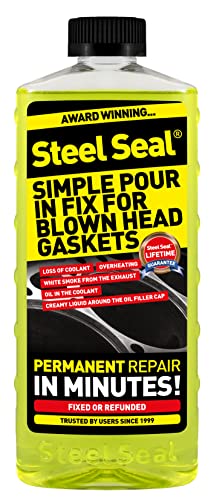
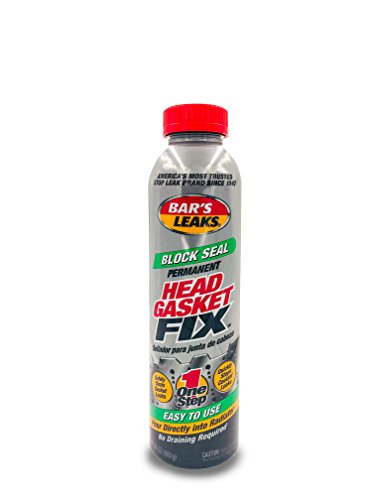
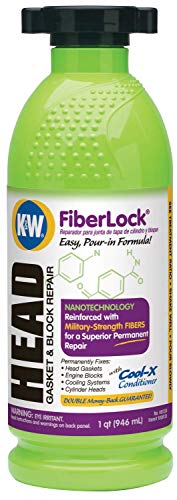
Can a head gasket be repaired instead of replaced? No, head gaskets cannot be effectively repaired once they fail. The gasket must withstand extreme temperatures and pressures, so replacement is the only reliable fix. While chemical sealers exist, they’re temporary solutions at best and often cause additional problems by clogging cooling passages.
Will a bad head gasket throw a code? Not directly, but head gasket failure often triggers related codes such as P0300 (random misfires), P0171/P0174 (lean conditions), or overheating-related codes. The underlying symptoms of head gasket failure—misfires, overheating, and poor combustion—will often set diagnostic trouble codes.
How can I prevent head gasket failure? Maintain your cooling system properly by flushing coolant per manufacturer recommendations, replacing worn hoses and thermostats, and addressing overheating immediately. Monitor coolant levels regularly, use the correct coolant type, and never ignore temperature gauge warnings. Proper maintenance prevents most head gasket failures.
As an Amazon Associate we earn from qualifying purchases.
2 Comments
My car has been running hot lately and I noticed some white smoke from the exhaust, especially when I first start it. Could this be a head gasket problem, and how serious is it if I keep driving it while trying to save up for the repair?
I’ve been losing coolant but can’t find any leaks under my car. My mechanic mentioned it could be a head gasket, but the repair estimate seems really expensive. Are there any temporary fixes or cheaper alternatives I should consider before committing to a full replacement?
As an Amazon Associate we earn from qualifying purchases.
