


Your engine idles rough and the RPMs bounce all over the place. The car hesitates when you hit the gas. Your check engine light just came on. These are telltale signs your throttle body needs attention.
A dirty or failing throttle body doesn’t just hurt performance – it wastes fuel and can trigger other engine problems if ignored. The good news? Most throttle body issues can be fixed with a simple cleaning that costs $20-30 in parts or $150-250 at a shop.
The most common symptoms of a bad throttle body include rough idle with fluctuating RPMs, poor acceleration and hesitation, check engine light, stalling at idle or low speeds, poor fuel economy, reduced engine power, and dirt buildup around the throttle plate. Cleaning costs $20-$250 depending on whether you DIY or use a shop.
Here’s how to recognize throttle body problems and what to do about them.
Symptom #1: Rough Idle and Fluctuating RPMs
This is usually the first symptom people notice. Your engine shakes and vibrates at stoplights, and the RPM needle bounces around instead of sitting steady. The engine might hunt between 500 and 1,000 RPM, never settling down.
A dirty throttle body disrupts the precise amount of air your engine needs at idle. Carbon deposits create an uneven surface inside the throttle bore, causing turbulent airflow instead of smooth flow. This throws off the delicate air-fuel mixture your engine needs to idle smoothly.
You’ll feel it most when stopped at red lights with the transmission in Drive. The whole car might shake, the steering wheel vibrates, and the engine sounds rough. Sometimes it feels like the engine is about to stall but catches itself at the last second.
Symptom #2: Poor Acceleration and Hesitation
Press the gas pedal and nothing happens for a second or two. Then the car lurches forward. Or maybe acceleration feels sluggish and unresponsive, like you’re towing a trailer even though you’re not.
When the throttle body is dirty or malfunctioning, the throttle plate can’t open and close smoothly. Carbon buildup physically restricts how far the plate can open, limiting airflow into the engine. Less air means less power, no matter how hard you press the pedal.
You’ll notice this most during situations where you need quick power – merging onto highways, passing other vehicles, or accelerating from a stop. The engine hesitates, stumbles, or just feels weak. Acceleration might come in irregular bursts instead of smooth, linear power delivery.
Symptom #3: Check Engine Light
The check engine light comes on when your car’s computer detects something wrong with the throttle body system. Modern vehicles monitor throttle position constantly, and any irregularities trigger diagnostic codes.
Common throttle body-related trouble codes include P0121 (throttle position sensor range/performance), P0122 (TPS circuit low), P0123 (TPS circuit high), and P0505 (idle control system malfunction).
Don’t automatically assume the check engine light means your throttle body is bad. It could also indicate oxygen sensor problems, mass airflow sensor issues, or other faults. Get the codes read at any auto parts store for free to confirm what’s wrong.
Symptom #4: Stalling at Idle or Low Speeds
Your car stalls when you come to a stop at a red light. Or it starts fine but immediately dies when you put it in gear. These are classic signs of a severely dirty or failing throttle body.
Stalling happens because the throttle body can’t maintain the minimum airflow needed to keep the engine running at idle. When carbon buildup gets bad enough, it restricts airflow so much that the engine literally can’t breathe enough to stay running.
This is particularly dangerous because stalling can happen unexpectedly in traffic, leaving you stranded in the middle of an intersection or on a busy road. You might lose power steering and power brakes when the engine dies, making the car harder to control.
Symptom #5: Poor Fuel Economy
You’re filling up the gas tank more often than usual, and your fuel economy has dropped noticeably. A dirty throttle body absolutely affects your miles per gallon, sometimes dramatically.
When the throttle body isn’t regulating airflow properly, your engine’s computer struggles to maintain the correct air-fuel ratio. It typically compensates by adding more fuel, which wastes gas without providing additional power.
The rough idle and hesitation also force you to use more throttle than normal to maintain speed, which burns extra fuel. You might see your fuel economy drop by 10-20% or more depending on how restricted the throttle body is.
Symptom #6: Reduced Engine Power
Your car feels gutless and weak, especially when you need power. Hills that used to be easy now require lots of throttle. Passing other vehicles becomes difficult. The engine just doesn’t have the same pep it used to.
Reduced power happens because a restricted throttle body limits the maximum airflow into your engine. Even with the pedal floored, the dirty throttle plate can’t open fully, choking off the air supply your engine needs to make power.
In severe cases, your car might enter “limp mode” where the computer intentionally limits power to protect the engine. You’ll notice dramatically reduced performance – maybe you can only accelerate to 40-45 mph regardless of throttle input.
Symptom #7: Visible Dirt Buildup
Pop your hood and look at the throttle body (it’s usually on top of the engine, connected to the air intake tube). If you can see black carbon deposits around the throttle plate or inside the throttle bore, that’s your smoking gun.
The buildup looks like black, sooty grime coating the inside of the throttle body. In severe cases, you might see thick, crusty deposits that physically restrict the throttle plate’s movement.
You can inspect the throttle body yourself pretty easily. Remove the air intake tube (usually just a clamp or two) and peek inside with a flashlight. If you see any black buildup around the throttle plate or on the walls of the throttle bore, it needs cleaning.
What Causes Throttle Body Problems?
Normal carbon buildup is the most common issue. Your engine’s PCV system routes oily vapors through the intake. These vapors mix with incoming air and gradually deposit on the throttle body walls, building up over 50,000-100,000 miles.
Cheap or dirty air filters allow dust and dirt particles into the intake system, accelerating carbon buildup. Short trips and city driving make buildup worse because the engine never gets hot enough to burn off deposits.
Electronic failures can also occur. The throttle position sensor might wear out, wiring connections can corrode, or the throttle body’s internal motor (in drive-by-wire systems) can fail. These electrical issues require replacement rather than cleaning.
How to Clean Your Throttle Body
Most throttle body problems can be fixed with a simple cleaning. You can do it yourself for $20-30 in supplies or pay a shop $150-250 for professional cleaning.
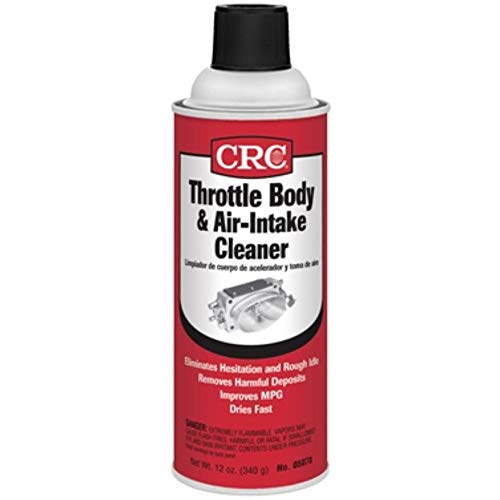
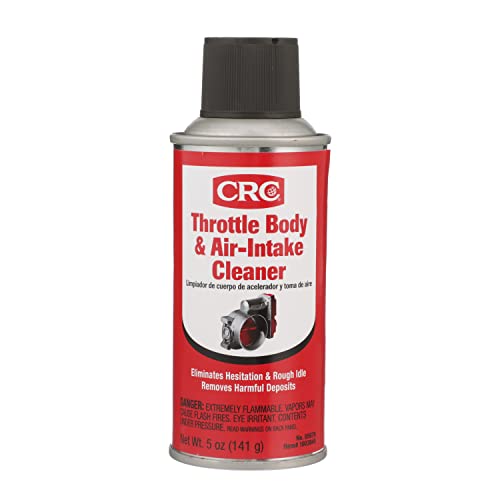
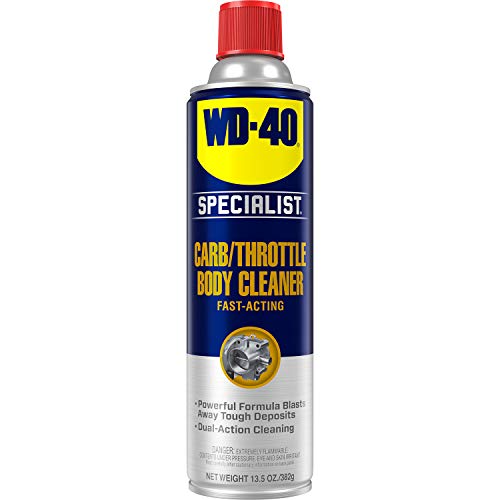
DIY cleaning: You’ll need throttle body cleaner spray and basic tools. Disconnect the air intake tube from the throttle body. Spray cleaner directly onto the throttle plate and inside the bore. Use a clean rag to wipe away loosened carbon deposits.
For electronic throttle bodies, never force the throttle plate open manually – you could damage the motor. Instead, have someone turn the key to “on” (don’t start the engine) while you spray cleaner.
Spray, wipe, repeat until the throttle bore looks clean and shiny. Reinstall the air intake tube, start the engine, and let it idle for a few minutes while the computer relearns the clean throttle position.
Recommended throttle body cleaners:




Throttle Body Replacement Cost
If cleaning doesn’t fix the problem, you might need a new throttle body. Electronic failures or physical damage require replacement.
Parts cost: $100-$800 depending on aftermarket vs OEM Labor cost: $75-$200 (1-2 hours) Total replacement cost: $200-$1,000
Modern electronic throttle bodies are more expensive than older cable-operated units. Some vehicles require programming after replacement so the computer can relearn idle speed and throttle position, adding $50-100 to the bill.
How Often Should You Clean Your Throttle Body?
Most manufacturers recommend throttle body cleaning every 75,000-100,000 miles as preventative maintenance. However, driving conditions can significantly affect this interval.
Clean it more frequently (every 30,000-50,000 miles) if you do lots of short trips, drive in dusty conditions, or notice any symptoms. Some mechanics recommend cleaning during every major service as preventative maintenance.
Don’t wait until you have symptoms. Preventative cleaning is quick, cheap, and prevents performance problems. Think of it like changing your oil – you don’t wait until the engine starts knocking.
Can You Drive with a Bad Throttle Body?
You can drive for a while with a dirty throttle body, but you shouldn’t ignore the problem. The rough idle and stalling create safety hazards, especially if the engine dies unexpectedly in traffic.
Poor fuel economy costs you real money. If your fuel economy drops 15%, that could be $30-50 extra per month in wasted gas – more than the cost of cleaning supplies.
Some vehicles enter limp mode with severe throttle body problems, limiting your speed to 30-45 mph. At that point, you’re basically forced to fix it anyway.
If you’re experiencing symptoms, clean the throttle body this weekend. The longer you wait, the worse the buildup gets.
FAQs About Bad Throttle Bodies
How do I know if my throttle body is bad? The most common signs are rough idle with fluctuating RPMs, poor acceleration and hesitation, check engine light with codes P0121-P0123, stalling at idle, decreased fuel economy, reduced engine power, and visible carbon buildup when you inspect it.
Can I clean my throttle body myself? Yes, throttle body cleaning is straightforward requiring only throttle body cleaner spray ($10-20) and basic tools. The process takes 30-45 minutes. Just don’t force the throttle plate open manually on electronic throttle bodies.
How much does throttle body cleaning cost? DIY cleaning costs $20-30 for supplies. Professional shop cleaning costs $150-250 including labor. If replacement is needed, expect $200-1,000 total depending on your vehicle.
How often should I clean my throttle body? Most manufacturers recommend cleaning every 75,000-100,000 miles. However, clean it more frequently (every 30,000-50,000 miles) if you make lots of short trips, drive in dusty conditions, or notice symptoms.
Will a bad throttle body throw a check engine light? Yes, usually. Common codes include P0121 (throttle position sensor performance), P0122/P0123 (TPS circuit problems), and P0505 (idle control malfunction). However, a very dirty throttle body might cause symptoms without triggering a light.
Can a dirty throttle body cause stalling? Yes, absolutely. Severe carbon buildup restricts airflow to the point where the engine can’t maintain idle speed and stalls out. This is particularly common when coming to a stop or putting the car in gear.
Conclusion
A bad throttle body announces itself through rough idle, hesitation, poor fuel economy, and stalling. These aren’t problems that fix themselves – the carbon buildup only gets worse over time.
The good news? Most throttle body issues can be resolved with a $20 can of cleaner and 30 minutes of your time. Catch it early and you avoid the more serious symptoms like stalling and limp mode.
Don’t wait until you’re stalled in traffic or your car won’t stay running. If you’re experiencing any of the symptoms we’ve covered, clean your throttle body this weekend. It’s cheap, easy, and might just save you from an expensive tow truck bill.
Cleaned the Throttle Body and Now Idle Is High?
That’s a very common, entirely fixable side effect, not a sign the cleaning went wrong. On drive-by-wire vehicles the PCM learns a minimum air rate for the throttle’s resting position, and cleaning can disturb that learned value enough to set P0507 until the system relearns it. See our P0507 guide for the relearn procedure, which usually resolves it without replacing any part.
What If the Throttle Body Problem Sets P0505?
On engines with electronic throttle control there is no separate idle air control valve, so the throttle body controls idle air itself. When carbon in the bore or a sticking plate stops it holding the target idle, the engine computer can store P0505, the idle control system code. This guide to the P0505 code explains why cleaning and an idle relearn often fix it, and what to rule out before replacing the throttle body.
As an Amazon Associate we earn from qualifying purchases.
